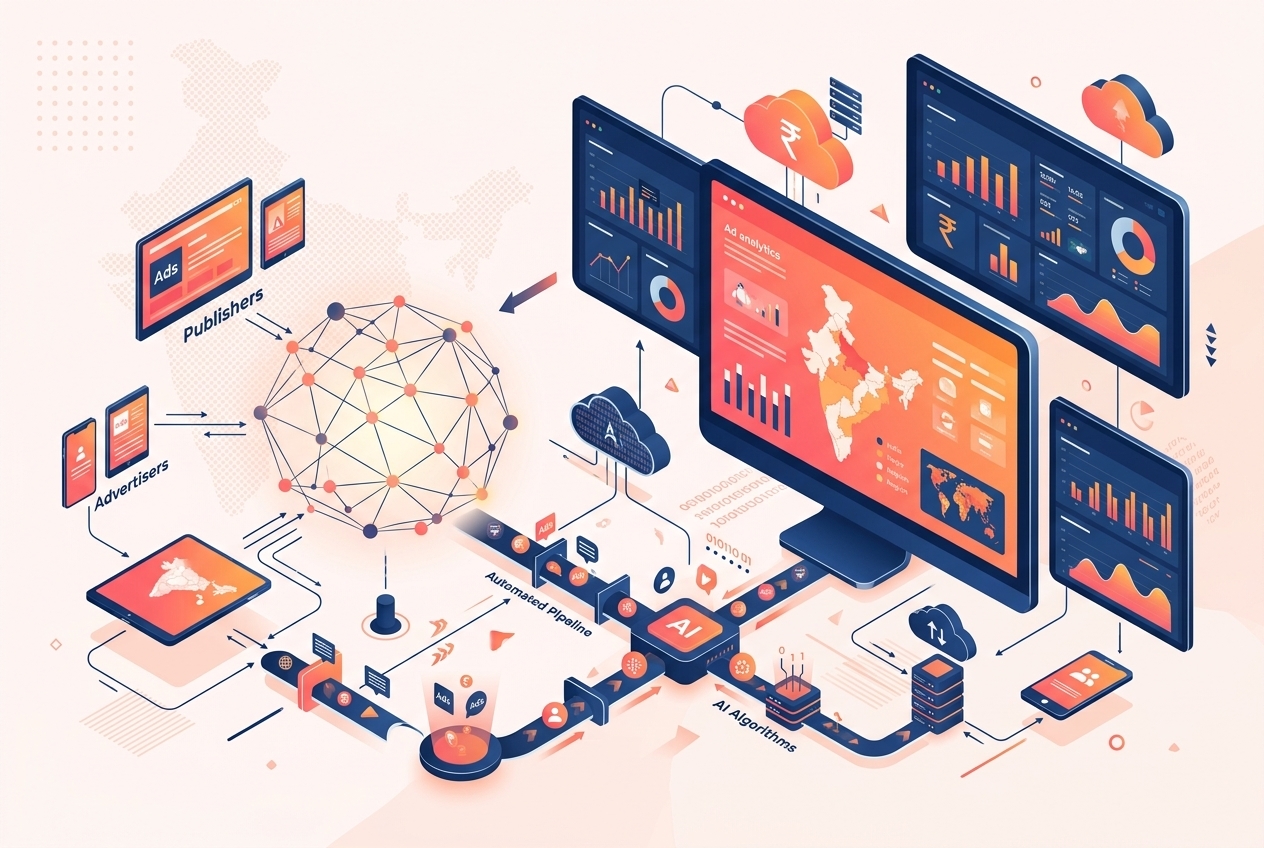
The Indian advertising landscape is undergoing a seismic shift. Programmatic media buying — the automated, data-driven method of purchasing ad inventory — has grown from a niche technology experiment to the backbone of modern advertising campaigns across the country.
According to industry reports, programmatic ad spending in India surged by 35% in 2024, reaching an estimated ₹12,500 crore. This growth isn't just confined to digital channels; it's now extending into traditional media like Out-of-Home (OOH) billboards, connected TV, and even audio streaming platforms.
Why Programmatic Is Winning
The core appeal of programmatic buying lies in its precision. Instead of negotiating rates with individual publishers and media owners, brands can use demand-side platforms (DSPs) to bid on ad inventory in real-time, targeting specific audiences based on demographics, behavior, location, and intent.
For Indian brands operating across diverse linguistic and regional markets, this means the ability to serve hyper-relevant ads to consumers in Chennai that are completely different from those shown in Delhi — all within the same campaign.
The Rise of Programmatic OOH (pDOOH)
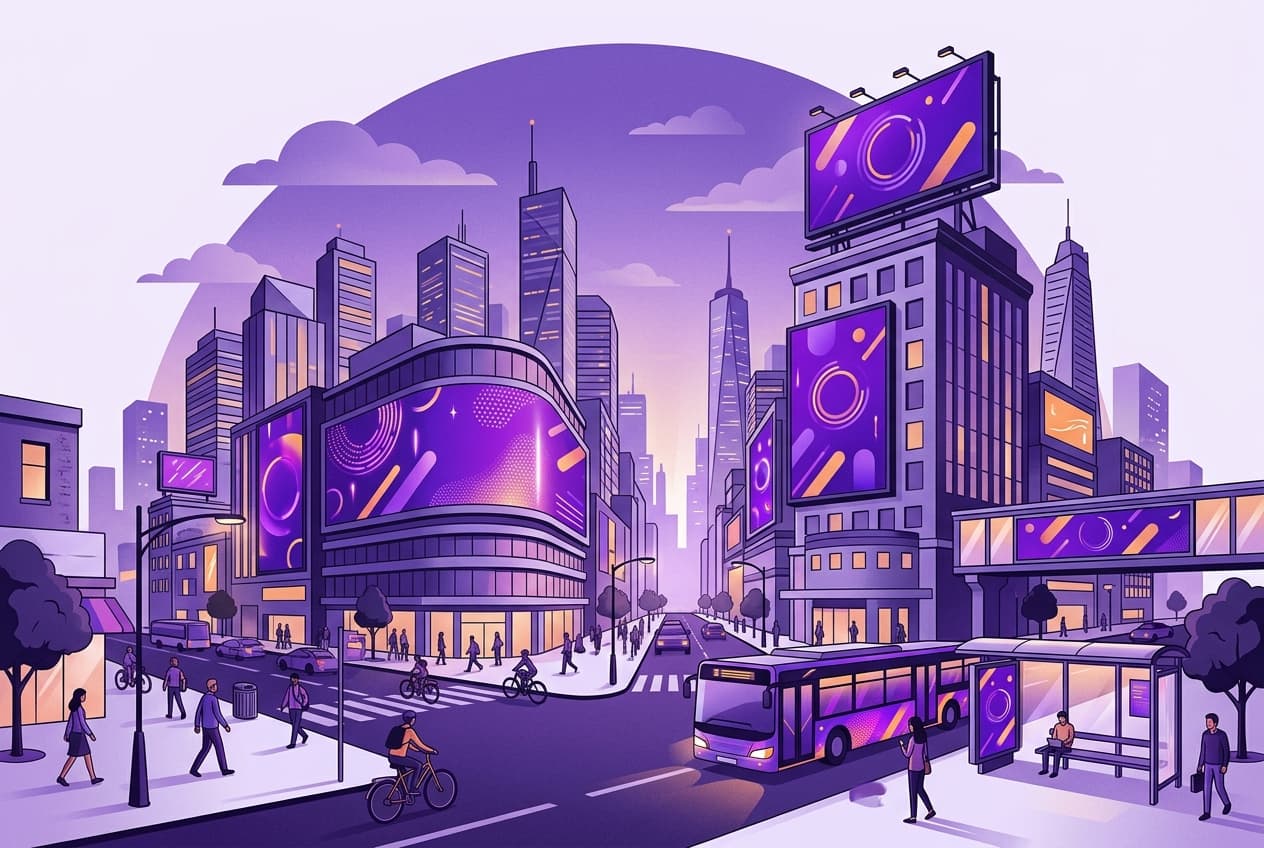
One of the most exciting developments is the growth of programmatic digital out-of-home (pDOOH) advertising. Cities like Mumbai, Delhi NCR, and Bangalore are seeing a rapid expansion of digital billboard networks that can be bought programmatically.
Imagine running a real-time campaign where your billboard ad changes based on weather conditions, time of day, or even live sports scores. This level of dynamism was unthinkable just five years ago, but it's becoming standard practice for forward-thinking brands.
Key Challenges to Watch
Despite the momentum, programmatic media buying in India faces several challenges. Ad fraud remains a significant concern, with estimates suggesting that up to 15% of programmatic ad impressions may be fraudulent. Brand safety is another issue, as automated placements can sometimes land ads next to inappropriate content.
Data privacy regulations, including India's evolving Personal Data Protection framework, are also reshaping how advertisers collect and use audience data for targeting. Brands need to invest in first-party data strategies to stay compliant while maintaining campaign effectiveness.
What This Means for Your Brand
If you're still relying solely on direct media buys and manual negotiations, you're likely paying more and reaching fewer people than your competitors. Here are three steps to get started with programmatic:
First, invest in a robust data management platform (DMP) to organize your audience data. Second, partner with a trusted DSP that has strong inventory connections in the Indian market. Third, start with a pilot campaign on a single channel — digital display is the easiest entry point — and measure results before scaling.
The future of media buying in India is automated, data-driven, and increasingly cross-channel. Brands that embrace programmatic now will have a significant competitive advantage as the market matures.