Not every brand needs a national advertising campaign. In fact, for many businesses — from restaurant chains and retail stores to real estate developers and healthcare providers — hyperlocal advertising delivers dramatically better ROI than broad national campaigns.
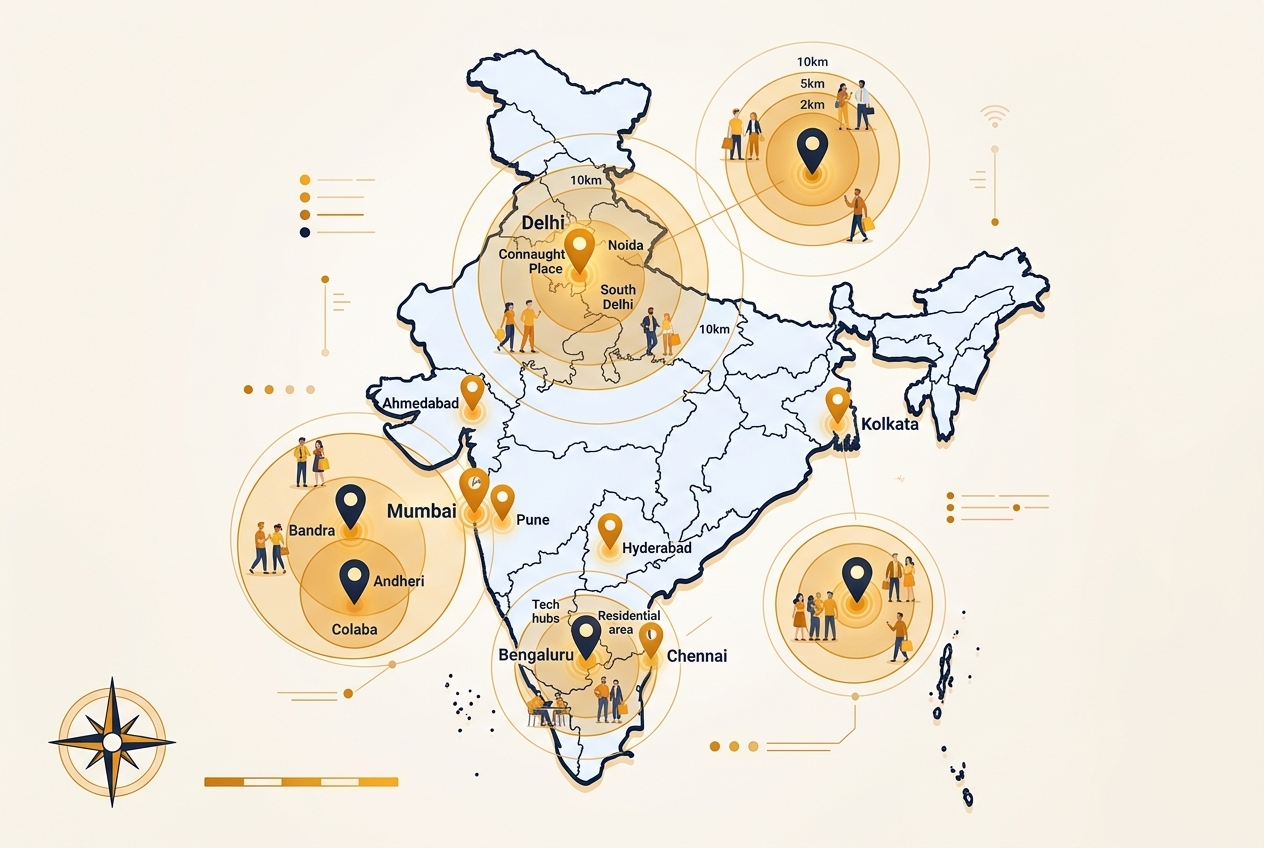
Hyperlocal advertising targets consumers within a specific geographic area, often as narrow as a single neighborhood, pin code, or 5-kilometer radius. And in India's incredibly diverse market, this approach is more relevant than ever.
Why Hyperlocal Works in India
India isn't one market — it's hundreds of micro-markets, each with distinct languages, cultural preferences, consumption patterns, and media habits. A campaign that resonates in Connaught Place, Delhi might fall completely flat in Koramangala, Bangalore.
Hyperlocal advertising allows brands to customize their messaging, creative, and media mix for each micro-market. This relevance drives significantly higher engagement and conversion rates compared to one-size-fits-all national campaigns.
Hyperlocal Channels and Tactics
The most effective hyperlocal channels vary by market, but several consistently deliver strong results. Geo-targeted digital ads using location data to serve ads to consumers within a specific radius of your business are the most precise option. Local OOH placements like neighborhood billboards, bus shelter ads, and auto-rickshaw branding provide unavoidable visibility.
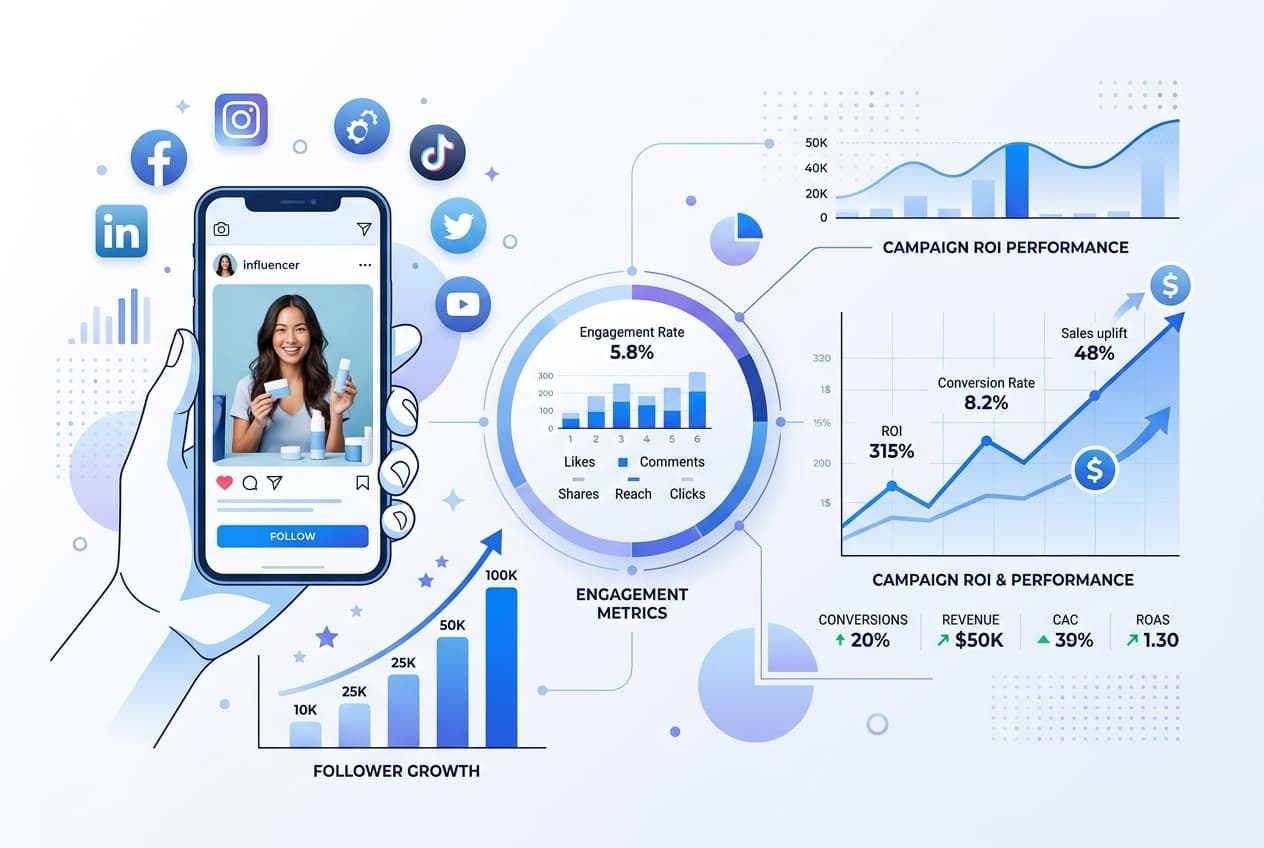
Local print media including city-specific newspaper supplements, community newsletters, and local magazines build trust through familiar editorial environments. Radio spots on local FM stations, particularly during drive time, offer excellent frequency at low cost. And hyper-targeted influencer campaigns partnering with local micro-influencers who have strong neighborhood or city-level followings deliver authentic endorsement.
Measuring Hyperlocal Campaign Impact
One major advantage of hyperlocal advertising is the ability to measure impact through direct business metrics. Track footfall increases at your physical locations during campaign periods. Monitor store-level sales data correlated with local ad spending. Use geo-fenced mobile surveys to measure ad recall among exposed audiences.
Compare performance across different neighborhoods or cities running different campaign variants to identify what works best in each micro-market. This test-and-learn approach, running across multiple hyperlocal campaigns simultaneously, is one of the most efficient ways to optimize your advertising strategy.
Getting Started with Hyperlocal
Start by identifying your highest-potential geographic areas based on existing customer data, competitor presence, and market opportunity. Use platforms like GrahakFlow to explore available ad inventory — from digital OOH screens to local newspaper ad spots — in those specific areas. Launch pilot campaigns in 2-3 neighborhoods, measure results rigorously, and scale what works.
The beauty of hyperlocal is that you don't need a massive budget to start. Even ₹50,000-1,00,000 can fund a meaningful hyperlocal test in a single neighborhood, giving you real data to justify larger investments.