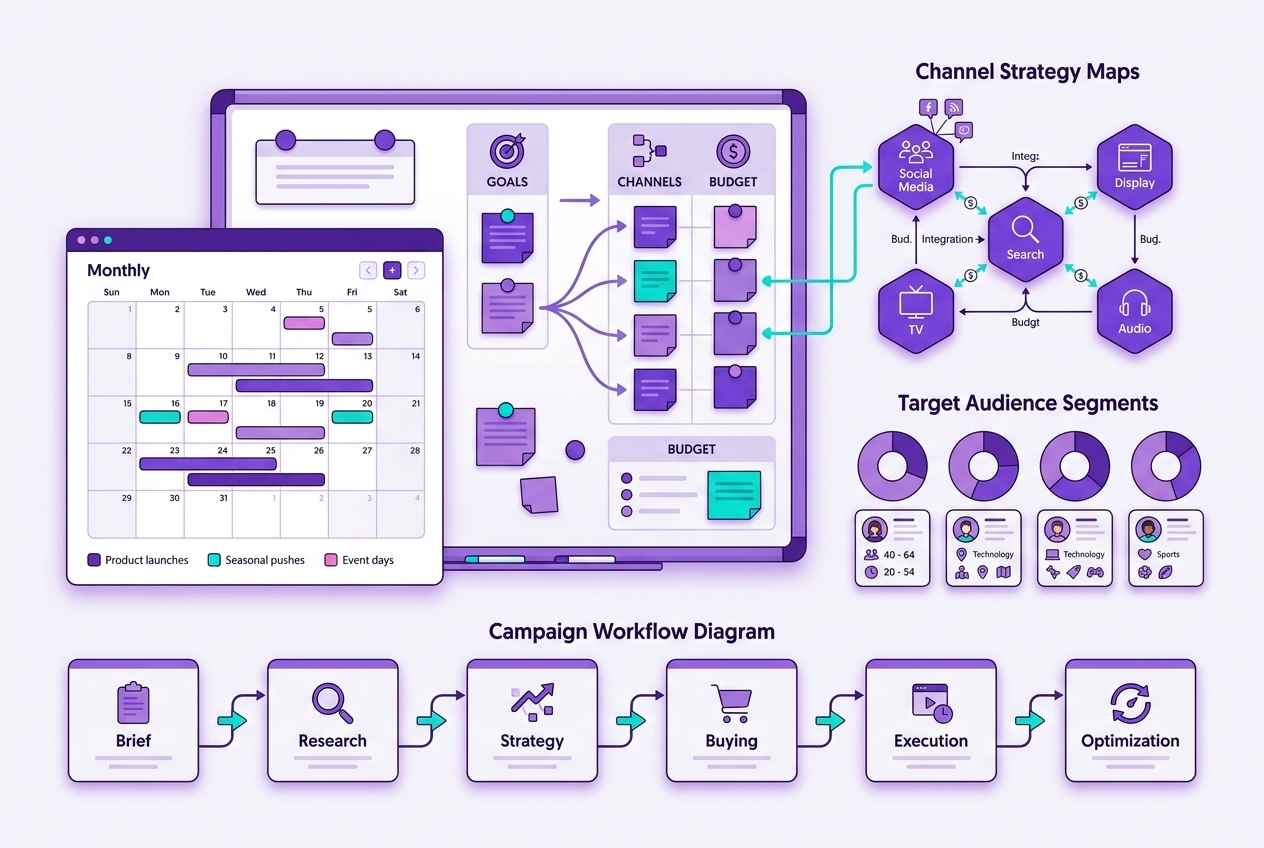
A media plan is the strategic blueprint that determines where, when, and how your advertising messages reach your target audience. Whether you're a seasoned media planner or building your first plan, this step-by-step guide covers everything you need to create media plans that deliver measurable business results.
Step 1: Define Clear Objectives
Every effective media plan starts with crystal-clear objectives tied to business goals. Are you trying to build brand awareness among a new audience? Drive website traffic and leads? Increase sales of a specific product? Retain existing customers? Each objective requires different media strategies, channels, and metrics.
Use the SMART framework: Specific (reach 5 million consumers in Delhi NCR), Measurable (achieve 60% aided brand recall), Achievable (within the given budget), Relevant (aligned with the product launch timeline), and Time-bound (over a 6-week campaign period).
Step 2: Research Your Target Audience
Deep audience understanding is the foundation of media planning. Go beyond basic demographics to understand media consumption habits: what channels they watch, what publications they read, what social platforms they use, when they're most receptive to advertising, and what influences their purchase decisions.
Tools like BARC (for TV), IRS (for print), and comScore (for digital) provide detailed audience measurement data in the Indian market. Supplement these with your own customer surveys, CRM data analysis, and social listening insights.
Step 3: Select Your Media Channels
Channel selection should be driven by three factors: audience presence (where does your target audience spend time?), channel strengths (what is each channel best at delivering?), and budget efficiency (what's the cost per thousand impressions or cost per acquisition on each channel?).
Create a channel matrix that maps each potential channel against your campaign objectives. For example, if awareness is the primary goal, TV and OOH might score highest. If conversion is the goal, digital search and social might be prioritized.
Step 4: Allocate Budget and Schedule
Budget allocation across channels should reflect both strategic priorities and practical constraints. Consider reach vs. frequency trade-offs — it's usually better to reach your target audience 3-5 times on two channels than once on five channels.
Scheduling involves deciding between continuous presence (steady spending throughout the campaign), flighting (alternating between periods of high and zero spending), and pulsing (maintaining a base level with periodic bursts). The right approach depends on your purchase cycle, competitive activity, and budget constraints.
Step 5: Execute, Monitor, and Optimize
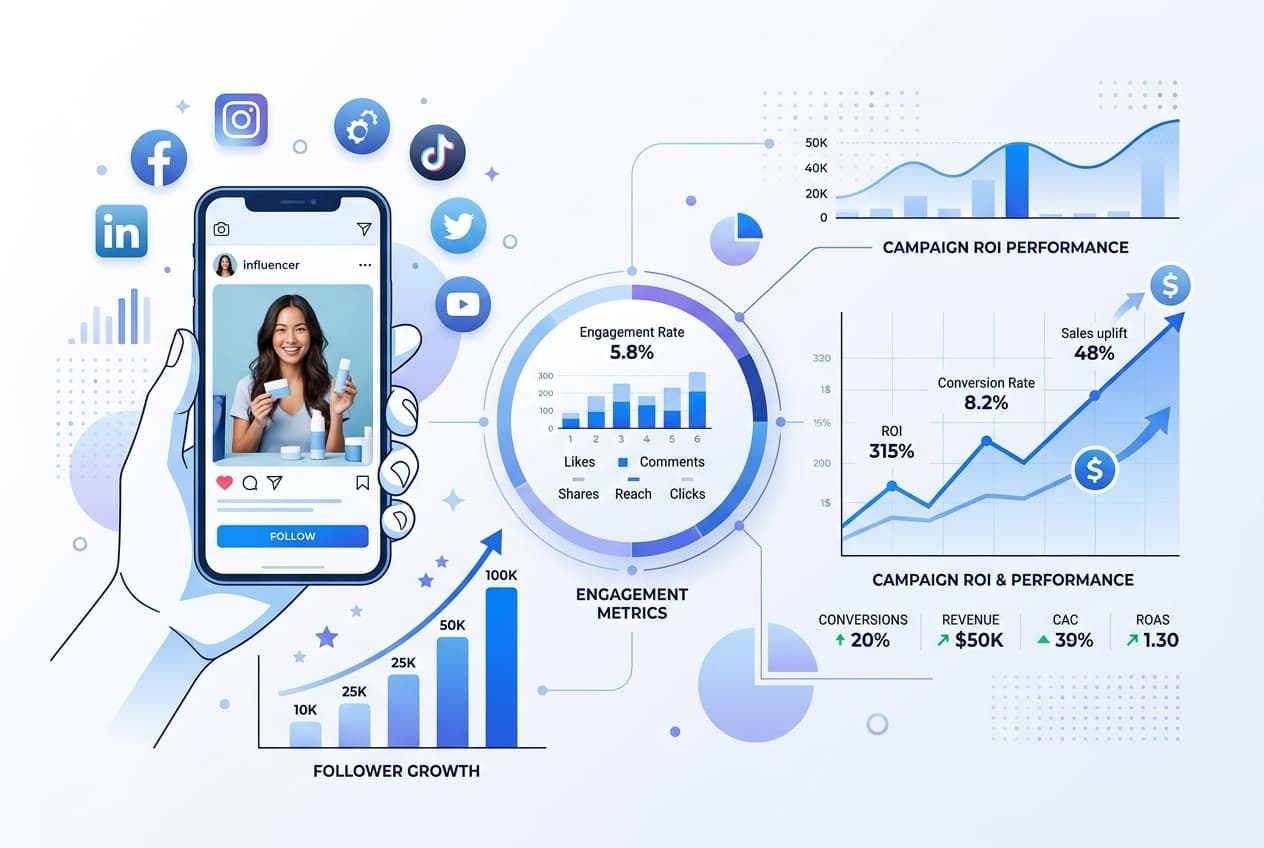
Once the plan is live, set up daily or weekly performance tracking dashboards. Monitor key metrics for each channel and be prepared to reallocate budget from underperforming channels to those exceeding targets. Post-campaign, conduct a thorough analysis to inform future planning.
Platforms like GrahakFlow streamline the planning and buying process by providing rate cards, inventory availability, and booking capabilities across multiple media channels in a single platform, saving agencies significant time and enabling more efficient media plans.